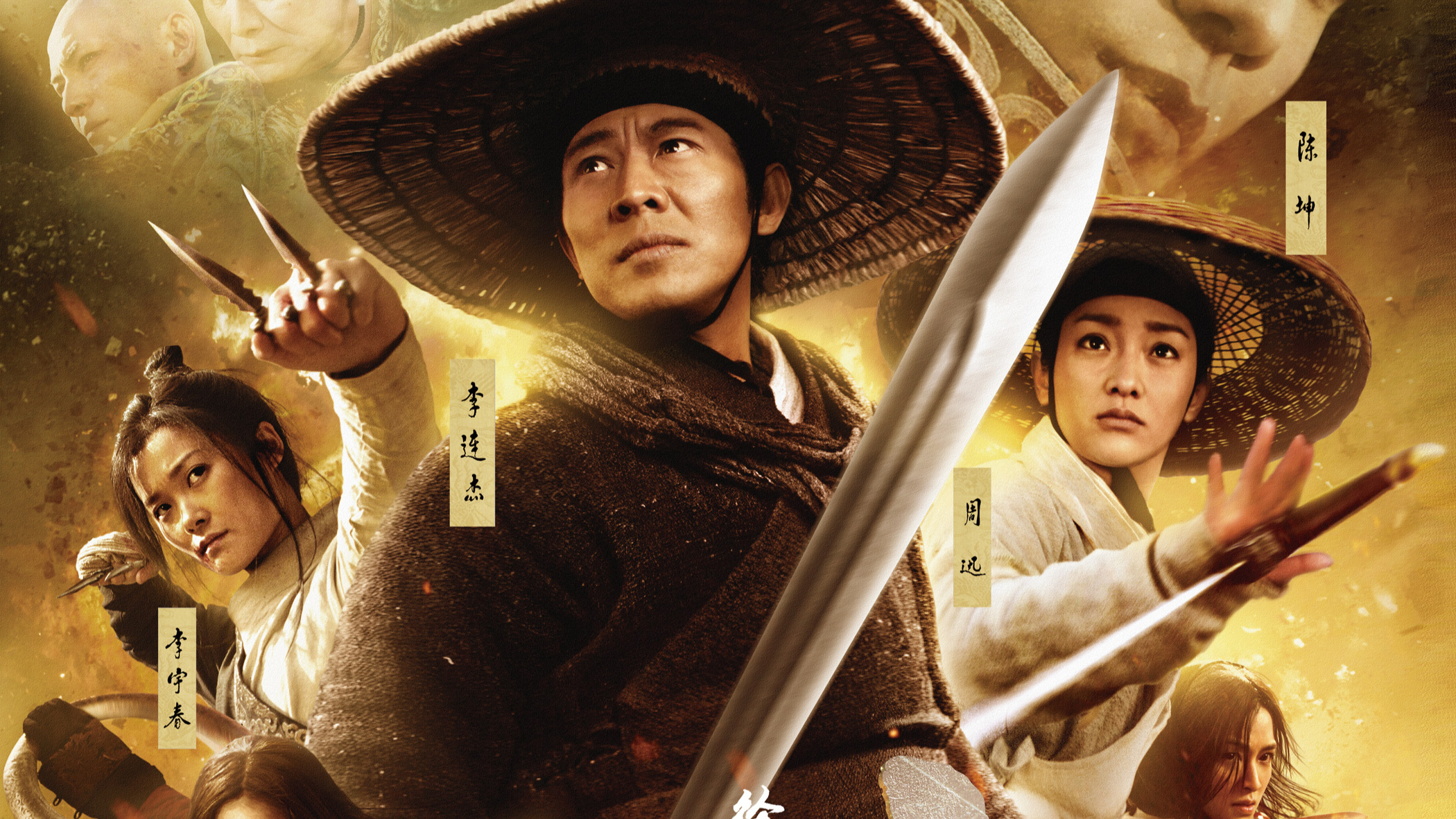
Flying Swords of Dragon Gate (Film)
Overview
Flying Swords of Dragon Gate is a 2011 martial arts action film directed by Hark Tsui. This film is a reinvention of the 1992 Hong Kong film New Dragon Gate Inn, which was a remake itself of the 1967 film Dragon Gate Inn. Known for its high-octane action sequences and visually stunning effects, "Flying Swords of Dragon Gate" is notable for being the first 3D wuxia film made in China. The film features an ensemble cast including Jet Li, Zhou Xun, and Chen Kun, among others.
Plot Summary
Set during the Ming Dynasty (1368-1644), the narrative follows the story of a group of warriors led by Zhao Huai'an, portrayed by Jet Li. They embark on a journey to the Dragon Gate Inn to rescue a group of captives held by evil eunuchs. The inn becomes a battleground for various factions, including a group of bandits, government soldiers, and treasure hunters, as they all converge in search of a lost treasure. The film intricately weaves together themes of loyalty, betrayal, and redemption against the backdrop of breathtaking martial arts choreography.
Production and Direction
Tsui Hark, renowned for his innovative approach to filmmaking, directed Flying Swords of Dragon Gate, pushing the boundaries of visual storytelling within the wuxia genre. His use of 3D technology was groundbreaking for Chinese cinema, offering audiences an immersive experience that highlighted the film's elaborate set pieces and intricate fight sequences. Hark's vision was to create a film that not only entertained but also showcased the rich cultural heritage of Chinese martial arts.
Cast and Characters
The film boasts a star-studded cast, with Jet Li in the lead role as Zhao Huai'an, a righteous and skilled swordsman. Zhou Xun plays Ling Yanqiu, a mysterious woman with her own agenda, while Chen Kun takes on dual roles as Yu Huatian, a ruthless eunuch, and Wind Blade, a treasure-seeking bandit. The dynamic performances of the cast contribute significantly to the film's success, each actor bringing depth and nuance to their respective characters.
Visual and Special Effects
Flying Swords of Dragon Gate stands out for its impressive special effects and action sequences. The use of 3D technology elevates the film's visual appeal, adding depth and realism to the meticulously choreographed fight scenes. The film's special effects team employed state-of-the-art techniques to create stunning visual imagery, from the detailed landscapes to the ethereal, otherworldly combat sequences. The film's aesthetic is a testament to Tsui Hark's ability to blend traditional martial arts with modern cinematic technology, creating a unique viewing experience.
Reception and Impact
Upon its release in 2011, Flying Swords of Dragon Gate received positive reviews for its innovative use of 3D technology and the director's distinctive style. It was praised for its engaging story, impressive action sequences, and strong performances. The film was successful at the box office, further cementing Tsui Hark's reputation as a master of the genre. It also garnered several awards and nominations, reflecting its impact on both the domestic and international film industry.
Themes and Motifs
Central to Flying Swords of Dragon Gate are themes of justice versus corruption, loyalty amidst betrayal, and the enduring quest for freedom. These themes are embodied in the film's characters, whose personal journeys reflect broader societal conflicts. The film also explores the dichotomy between good and evil, often challenging the audience's perceptions of morality and heroism. The intricate plot and character development serve to enhance these themes, making them resonate on multiple levels. Article reference1. Tsui Hark back to the old days with new film 'Detective Dee'. chinadaily.com.cn. 2018Photo Gallery(1 picture)CategoriesArtsTagFilm and TVArtistsCatalogue1. Overview2. Plot Summary3. Production and Direction4. Cast and Characters5. Visual and Special Effects6. Reception and Impact7. Themes and Motifs- - - []








